
Last Updated on May 8, 2026
Conducting behavioral experiments, including operant conditioning tasks and behavioral assays, requires careful consideration of multiple factors to ensure reliable and reproducible results. In addition to experimental manipulations like genetic alterations and drug administration, researchers must address five critical factors influencing animal behavior studies. Understanding and managing these factors can significantly enhance the validity and reproducibility of your animal model studies. Here, we’ll explore each of these factors and provide insights on how to effectively manage them.
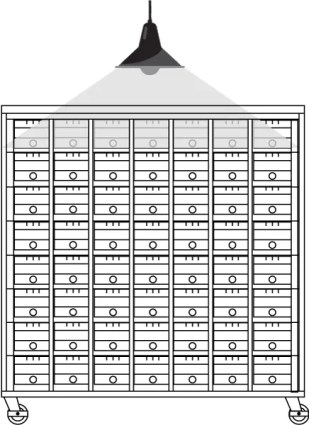 Manage the environment for enhanced habituation in behavior studies
The success of behavioral experiments is heavily influenced by environmental conditions. Adhering to international standards for cage size, room temperature, humidity, food, water, and bedding replacement is crucial. For example, variations in lighting environments within cage racks can impact experimental results. Researchers should carefully record and control the location of animals within the rack, especially in relation to lighting. Environmental noise, such as ventilation systems, also plays a role, requiring researchers to understand and manage differences between living and experimental areas used for behavioral testing. Ideally, the experimental environment should closely match the home cage environment, although this is not always practical.
Handle animals appropriately to minimize stress
 Regular handling of laboratory animals is common practice, but behavioral investigators must take extra precaution. Habituating the animals to the investigator by handling animals daily, starting at least a week before the experiment, can mitigate unnecessary anxiety and fear and ensure more accurate data. During transitions from cages to experimental settings, gentle and prompt handling is vital. Avoiding chasing, grabbing, and minimizing midair hanging by tails is essential for maintaining the well-being and reliable behavior of the animals.
Pre-experiment episodes and waiting periods
Introducing a holding area and a specified waiting time before the experiment can reduce data variability. This strategy ensures uniformity in the episodes leading up to the experiment for all animals. The holding area, secluded from the investigator’s view, should offer a quiet environment with consistent lighting to avoid disrupting the animals. Transferring the animals from the home cage environment to the experimental environment can be stressful. Allowing at least 30 minutes in the holding area helps animals acclimate after room transfer. This structured approach contributes to more consistent and reliable behavioral outcomes.
Timely execution of experiments
Consistency in the timing of experiments is crucial, especially for studies conducted over multiple days or involving repeated training sessions. This is particularly important as many investigators run behavioral assays during the animal’s dark (night) cycle, maintaining the same schedule each day will minimize disruptions to the animal’s sleep and increase the consistency of their performance on a given task. Following a rigid experimental schedule helps maintain stability and reduces potential confounding variables, contributing to the accuracy and reproducibility of results.
Maintaining consistent experimental Conditions
Acute attention to experimental conditions is also imperative. Aim to keep variables such as temperature, humidity, sound, and light consistent. Many research labs can be noisy environments, so it is important to consider the use of soundproofing solutions, such as soundproof boxes or rooms, to minimize external influences. However, be mindful of creating environments that are too silent, as this can induce unnecessary anxiety. Background sounds similar to the animals’ normal environment can help balance control and ecological validity.
By addressing these five key factors, researchers can optimize the well-being of their animals and conditions of their behavioral experiments, leading to more reliable, valid, and reproducible outcomes in animal model studies.
If you would like to download these factors in a convenient application note format or learn more about behavioral neuroscience techniques such as fiber photometry, optogenetics, and wireless EEG recording, explore our wireless neuroscience systems and educational resources.